2026 Personal Finance Planner: Your Flexible, Real-World Tool for Smarter Money Decisions
If you’ve ever opened a blank notebook in January only to abandon it by March—or tried juggling bills, side-hustle income, student loans, and vacation savings across five different apps—you’re not alone. The 2026 Personal Finance Planner was built for that exact moment: when intention meets reality, and you need something simple enough to stick with, yet robust enough to handle life as it actually unfolds.
What It Is—And What It’s Not
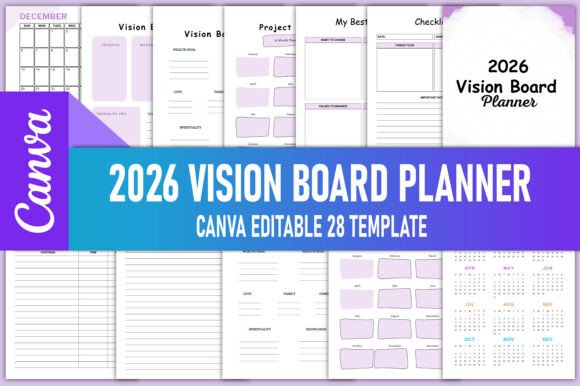
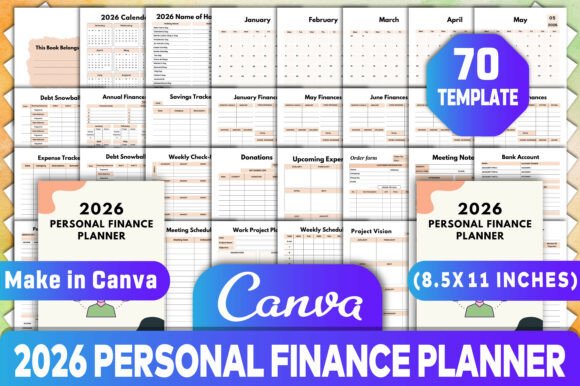
This isn’t just another calendar or a generic budget sheet. The 2026 Personal Finance Planner is a thoughtfully structured, print-ready interior designed for Kindle Direct Publishing (KDP), but equally powerful for personal use—even if you never publish a thing. You get an editable Canva template (with direct link), plus ready-to-print PDF, JPG, and PNG files. Every page is 100% customizable: change fonts, colors, headers, layouts—even the order of sections—to match your rhythm, goals, or business needs.
It’s not rigid. There’s no “one-size-fits-all” financial dogma baked in. Instead, it gives you space to track what matters *to you*: whether that’s tracking coupon savings while meal planning, mapping out freelance project deadlines alongside client payments, or visualizing your debt snowball progress next to upcoming car maintenance costs.
Where It Fits Into Real Life—Not Just Theory
Think about your week: a dentist appointment Tuesday at 3 p.m., rent due Thursday, a freelance invoice sent Friday, and your kid’s school fundraiser Sunday. Now add tax prep reminders, quarterly investment deposits, and that “I’ll start saving for a down payment” goal you keep postponing. The 2026 Personal Finance Planner bridges those fragments.
- For freelancers & solopreneurs: Use the Work Project Plan, Income Tracker, and Invoice Due Dates pages together—not as isolated tools, but as connected parts of your cash flow pulse. One user tracked her Q1 revenue against estimated taxes and realized she’d under-saved by $840—just in time to adjust before April.
- For families managing dual incomes: The Joint Bank Account and Shared Expense Tracker pages let both partners log groceries, utilities, and subscriptions in one place—no more “Did you pay the internet bill?” texts at midnight.
- For students & recent grads: Pair the Debt Snowball tracker with the Upcoming Expenses section to plan for textbook costs, internship travel, or certification exams—without derailing your student loan repayment.
- For retirees or semi-retired folks: The Annual Finances and Tax Deductions spreadsheets help organize RMDs, charitable donations, and medical expense receipts—all in one physical or printable location.
Why “Editable Canva + Print-Ready Files” Makes a Difference
You don’t have to be a designer—or even comfortable in Canva—to benefit. The editable link means you can open it, rename “Monthly Planner” to “Freelance Income Log,” swap out the default holiday list for your local observances (like Juneteenth or Diwali), or add a custom header like “My Small Bakery Budget.” And because you also get print-ready PDFs, you can choose: use it digitally on a tablet with a stylus, print just the pages you need each month, or bind the full version for desk-side reference.
That flexibility solves real friction points. One teacher printed only the Weekly Check-In and Donations pages to keep on her fridge—color-coding giving goals alongside classroom supply budgets. Another small business owner imported his QuickBooks export into the Income Tracker table, then used the Meeting Notes section right beside it to capture follow-ups from client calls.
Practical Considerations Before You Start
While the 2026 Personal Finance Planner is highly adaptable, it works best when aligned with how you naturally process information. Ask yourself:
- Do I prefer writing by hand or typing? If handwriting feels grounding, go for the PDF print version. If you love digital searchability and auto-calculating totals, build your own version in Canva and export as needed.
- How much structure do I actually want? The planner includes 20+ specialized trackers—but you don’t need to fill them all. Start with just two: Expense Tracker and Saving Goals. Add more only when the first two feel effortless.
- Is my goal clarity—or consistency? If you're overwhelmed by numbers, lean into the Project Vision and Weekly Check-In pages first. They help anchor daily choices to longer-term values—making budgeting feel less like restriction and more like alignment.
Strengths That Stand Out in Daily Use
The 2026 Personal Finance Planner shines where many tools fall short: bridging intention and action. Its strength isn’t in complexity—it’s in thoughtful sequencing. For example:
- The Bill Tracker sits directly before the Upcoming Expenses section—so you see recurring obligations *and* one-offs side-by-side, helping you spot cash crunches before they happen.
- The Coupons & Discounts page isn’t buried in “extras”—it’s placed right after Shopping Lists, making it easy to record savings *as you shop*, not after the fact.
- Each month includes dedicated January Finances through December Finances spreadsheets—not just blank rows, but pre-labeled categories like “Unexpected Repairs,” “Seasonal Gifts,” or “Side Hustle Earnings.”
A Few Honest Notes on Fit
This planner assumes you want ownership—not automation. It won’t sync with your bank or send push notifications. If you rely heavily on real-time syncing across devices or need AI-powered insights, pair it with a tool like Mint or YNAB *alongside* the planner—not instead of it. Think of it as your financial journal: reflective, intentional, and deeply personal.
Also, while every page is customizable, the core structure (monthly calendars, holiday lists, tracker logic) reflects U.S.-based 2026 dates and common financial practices. International users may want to adjust holidays, tax timelines, or currency labels—but that’s part of the customization power, not a limitation.
When It Becomes More Than a Planner
Over time, many users report something unexpected: the 2026 Personal Finance Planner becomes a quiet record of growth. Flipping back to March’s Savings Tracker shows not just dollars saved—but how many times you chose coffee at home over takeout. The Investment Tracker reveals patience during market dips. Even the Thank You Files section—designed for gratitude notes or vendor appreciation—ends up holding small wins that reinforce confidence.
It’s not about perfection. It’s about showing up, month after month, with a tool that adapts to *you*—not the other way around. Whether you’re launching a side gig, paying off debt, planning a wedding, or simply wanting to know where your money goes without dread, the 2026 Personal Finance Planner meets you where you are—and grows with you through the year.